Wearable, Mighty Kingdom, 2024
Google Fitbit Ace LTE
Description
The Fitbit Ace LTE, is a first-of-its-kind smartwatch focused on making movement fun for kids. And giving peace of mind to parents. The Fitbit Ace 3 initially sold over 2 million units with children worldwide playing the experiences we created.
My Role
I worked in a UX research role as part of the Mighty Kingdom team creating new titles for the Google FitBit Ace wearable. My responsibility was to ensure that the team received high quality data by carrying out in-person play tests and present findings back as part of the feedback loop.
Context
One device, many games
The concept behind the FitBit Ace is that it rewards movement activities for children. In the early stages that reward system was still in flux. However the idea was that the device would have multiple games that could be played at any time. Joining this project from the early protoype phase meant that we were tasked with “finding the fun”. This in turn meant lots of experimentation with different game types to see what worked.
Sproutlings is a tamagochi-like sim where players look after a small creature as it grows.
Testing and goals
Movement as a currency
The core goal of the FitBit Ace was to encourage movement. As such, all of the games needed to contain some aspect of physical movement. This would then allow players to use it as a currency for their play. In-person tests were undertaken with kids where they wore the devices and followed game instructions. Some of these tests required large physical spaces for step counting, sneaking and dancing.
Although the test case study was small, it was a powerful way to ensure that we were on the right track before taking things too far in an unknown direction. This was essentially UX testing as risk mitigation.
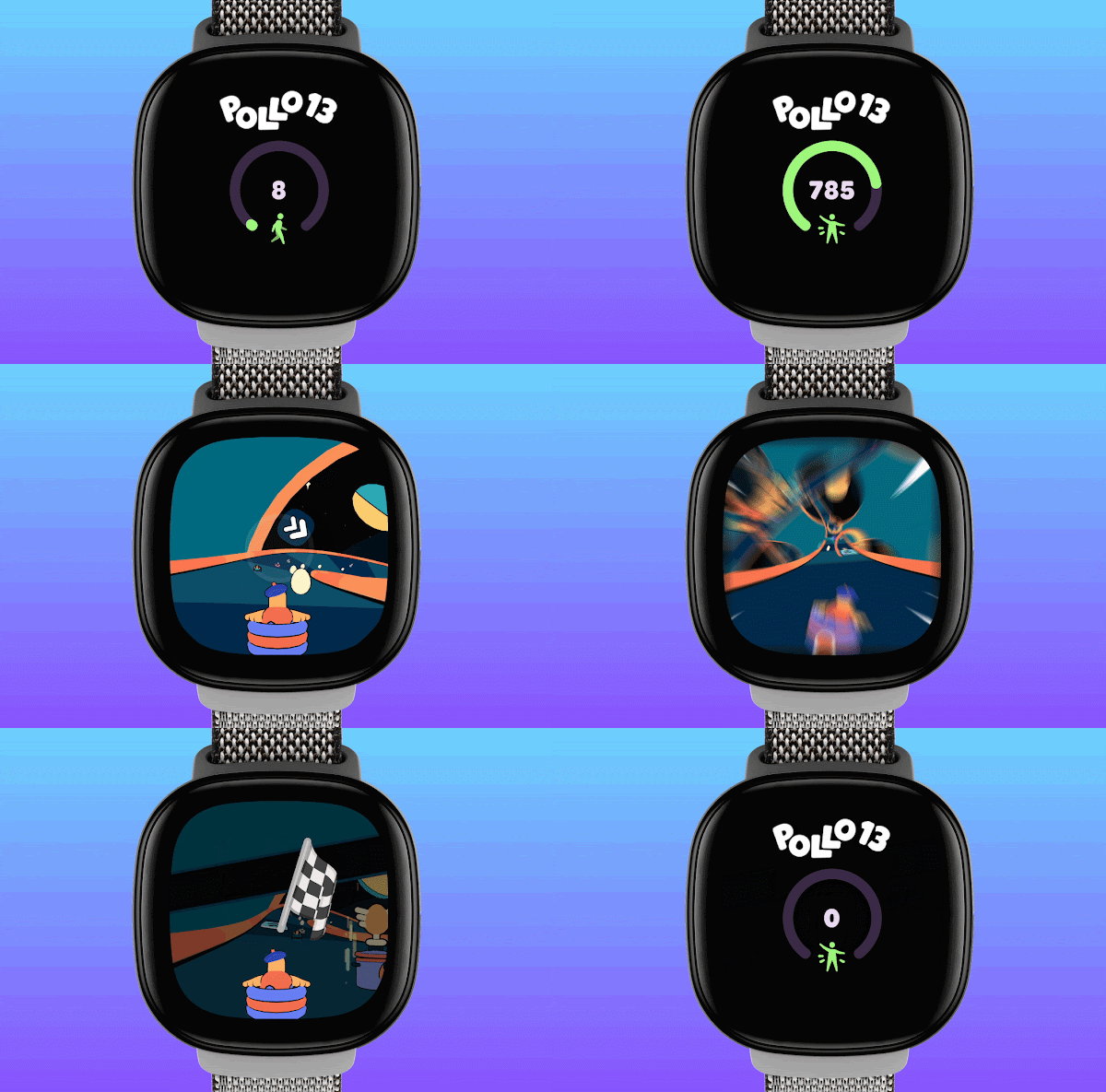
Players are rewarded for movement while wearing the device
Testing
Discovering player preferences
We developed multiple protoypes and tested them for playability and usability issues. This led us to some interesting findings:
Children were overwhelmingly positive about the product as a whole.
Games with more movement didn’t always appeal to children
Children were happy with simple games over more complex ones.
Usability of our prototypes was high, despite the small screens.
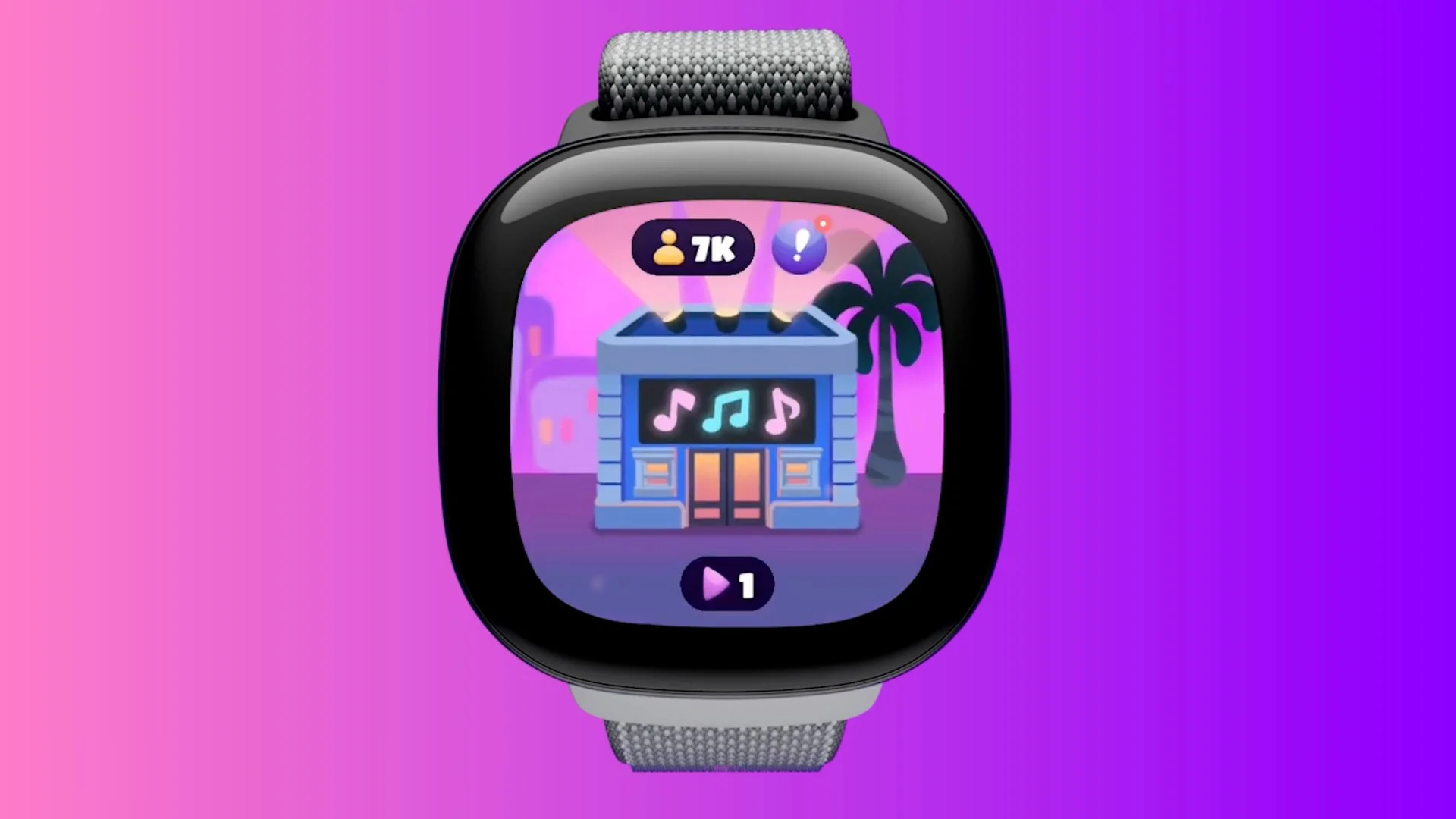
Jelly Jam was a dancing game that asked players to move to the music to gain points.
Usability
Despite the wearable format being unfamiliar for most players, none struggled with usability
Spirit Garden was a mindfulness game that saw players plant trees and meditate.
Outcomes
Pillars to build on
The conclusion of our research game us pillars on which to build future games as well as iterative data for the protoypes we had already made. We were able to glean 3 key takeaways:
Simple is best. Short experiences that don’t outstay their welcome
Cuteness and absurdity. Anything cute or absurd was always looked upon fondly by our players
Kids are smart. We should never underestimate how smart our players and what they can understand.