UX Advocacy
TLDR
I created a UX team from scratch. We increased the UX maturity of the business and helped the discipline to blossom into a respected department that is now involved in design decisions at every step of the dev process.
What
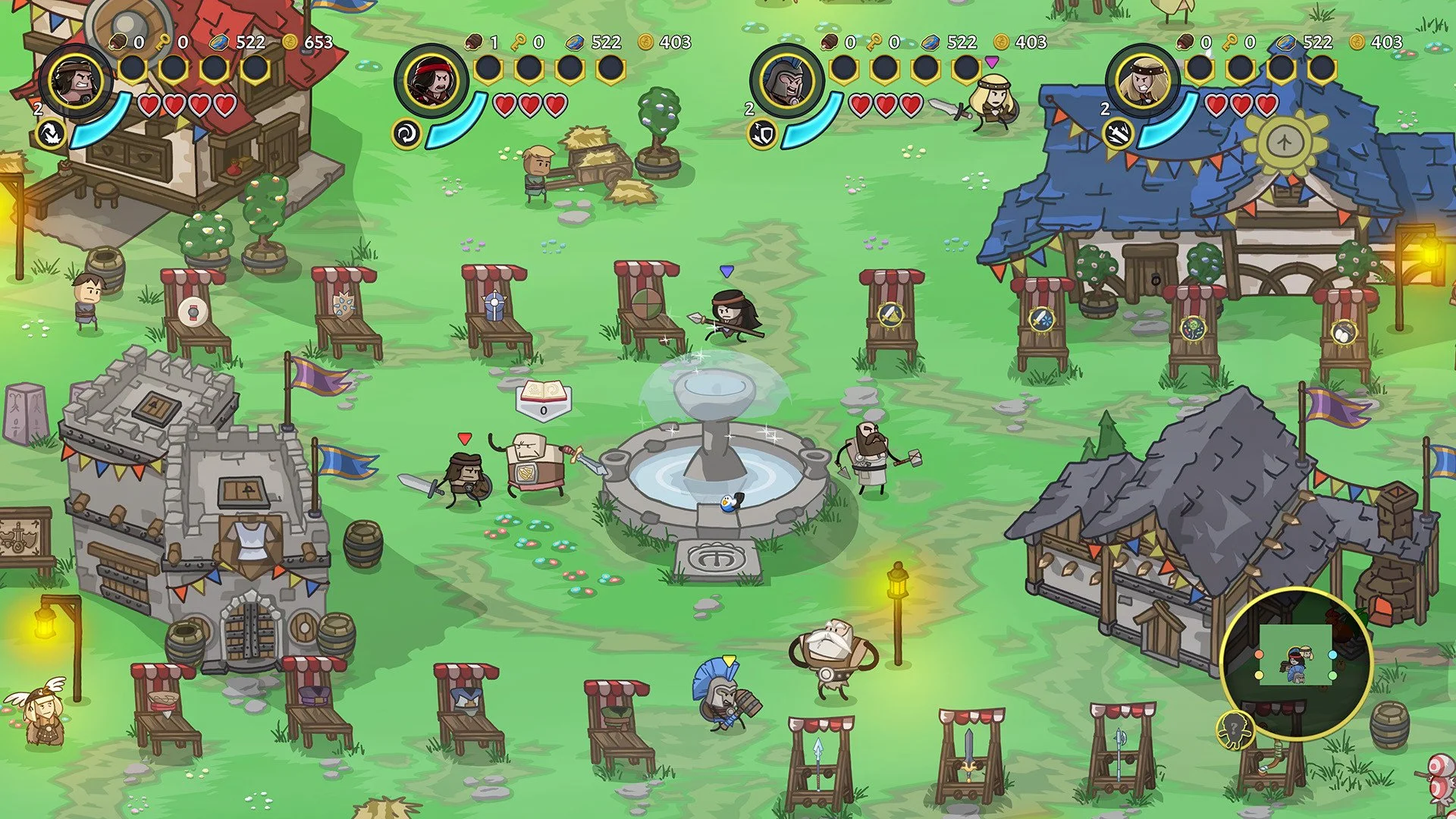
Championing UX internally at game developer Mighty Kingdom, the goal was to help the teams recognise the importance and value of ensuring the players’ voices are heard at every stage of development. We also wanted to highlight the risk mitigation benefits of UX for the company.
Why
Game design as a discipline often deals with player motivations and creating behaviour patterns. However the key piece of missing information was often about who we were designing for. My role was to help departments firstly understand what UX is, why it’s important and then prove how it can bring value to our products. There were also issues with games entering production too early without proper UX risk-assessment being completed.
How
My role was to help advocate for the inclusion of UX in the development cycle. I did this by assembling a team of 3 (including myself) to introduce UX to the teams through the introduction of:
Regular UX workshop sessions such as assumption mapping and risk and assumption gathering to help introduce the team to common UX processes
Player personas to help frame design decisions
Different testing types including internal guerrilla testing, usability testing as well as external play testing and observation
Figma prototyping as a source of communication, usability testing and a risk mitigation strategy
Miro as a collaboration tool for use across the company
Collaboration with game designers to help them understand when and where UX can help solve problems
Ensuring that the role of UX was clearly stated at project outset
Player voice representation at every stage of development
By focusing on player needs we were able to improve the UX maturity of the business
Results
Increased UX maturity
UX is now widely known as a core part of all projects at MK. UX as a mindset is more common and team members from all departments often ask for help with assumption validation. Leaning on UX to help with this type of decision-making now allows a more UX-driven workflow from the beginning of every project, and in-turn reduces project risk.
Reduced risk, faster answers
Addition of usability testing and personas to guide design decisions and prototyping using Figma allowed for a reduction in risk before any code had been written. Finding answers to questions quicker by player testing or simple Figma prototype mockups helped designers iterate in a more informed way. Using wireframes for screen flows also helped engineers immensely and cut down back-and-forth between UI designers and programmers.
Increased collaboration
The increase in collaboration was necessary for designers and other team members to understand that it was that UX actually did. This lead to conversations and observations from both sides that allowed for better products and helped embed UX as a mindset within the product teams.